
Daily walking and movement create powerful changes in blood sugar management by helping muscles absorb glucose naturally while improving how your body uses insulin effectively.
Embrace Active Living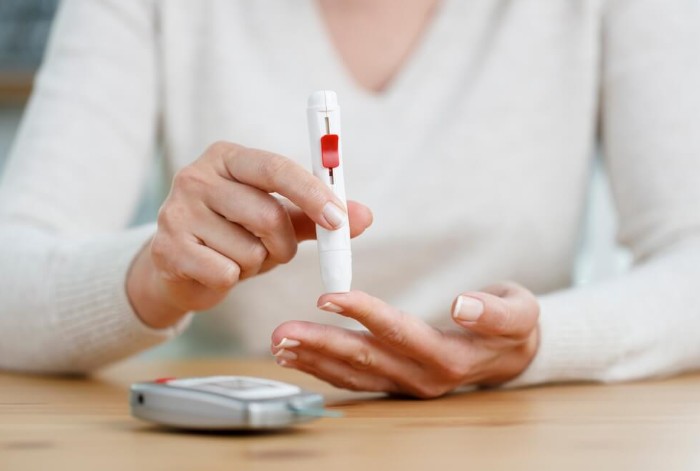
Walking creates direct effects on blood glucose levels. When you move, muscles need energy and pull sugar from your bloodstream to fuel activity, producing natural decreases in blood sugar without requiring medications.
This benefit extends beyond the walking period. Regular movement trains your body to handle glucose more efficiently, improving metabolic function that continues working even during rest periods between activity sessions.
Consistency builds cumulative advantages over time. Daily walking establishes patterns that strengthen your body's natural glucose regulation systems, creating lasting improvements in diabetes management and overall health.
Walking makes muscles consume glucose for energy, creating immediate drops in blood sugar levels that continue for hours after activity ends.
Regular movement improves how cells respond to insulin, making glucose absorption more efficient and blood sugar control easier to maintain.
Walking burns calories and reduces fat, directly improving diabetes control and potentially allowing medication adjustments under medical supervision.
Movement improves heart function, enhances blood flow, and reduces pressure - critical for preventing diabetes-related heart complications.
Physical activity decreases stress hormones that raise blood sugar while improving mood and mental clarity alongside glucose benefits.
Consistent walking reduces risk of nerve damage, kidney problems, and vision issues associated with poorly controlled diabetes over time.
Check blood glucose before walking every time until you understand your patterns. Never exercise when levels exceed 15 mmol/L without medical guidance, as activity can worsen already high blood sugar.
Always carry rapid carbohydrates like glucose tablets during walks. Low blood sugar during exercise poses serious risks, particularly for people using insulin or medications that lower glucose levels.
Inspect feet carefully before and after walking. People with diabetes must protect feet from injury because reduced sensation may prevent awareness of blisters or cuts that could develop into serious problems.

Set realistic initial goals and increase gradually. Starting with achievable targets prevents discouragement and injury while building confidence that supports long-term commitment to regular walking.
Schedule walking at consistent times daily. Creating routines around meals, work breaks, or family activities makes walking automatic rather than requiring constant motivation and decision-making.
Celebrate progress and learn from setbacks. Missing days happens to everyone - what matters is resuming your routine quickly rather than abandoning efforts after temporary interruptions in walking schedule.
"I walk around my neighborhood for 25 minutes each morning before breakfast. This habit transformed my blood sugar control - my fasting glucose readings dropped significantly over four months."
— Suresh Babu, Hyderabad
"Walking with colleagues during lunch breaks made exercise social and enjoyable. We all track our steps, which creates friendly competition that keeps everyone walking regularly."
— Kavita Reddy, Secunderabad
"My doctor recommended walking after dinner. This single change helped stabilize my evening blood sugar readings, and I sleep much better now than before starting this routine."
— Ramesh Kumar, Warangal
"I began with just five minutes because I felt overwhelmed. Gradually increasing worked perfectly - now walking 30 minutes feels easy, and my HbA1c improved remarkably."
— Padma Lakshmi, Karimnagar
"Tracking my walks and blood sugar together showed clear patterns. Seeing how walking immediately lowered my glucose motivated me to maintain consistency even on difficult days."
— Venkat Rao, Nizamabad
"Walking became family time - my spouse and children join me every evening. This shared activity improved everyone's health while strengthening our family bonds tremendously."
— Anitha Sharma, Khammam
Email:
hello (at) kexeyivi.com
Phone:
+91 40 6719 3582
Address:
34, Residency Road, Hyderabad 500001, Telangana, India
Walking makes muscles use glucose from blood for energy, naturally lowering blood sugar. Regular activity also improves insulin sensitivity, helping cells absorb glucose more efficiently for better overall control.
Walking after meals provides maximum benefit for controlling post-meal blood sugar spikes. However, any consistent walking time offers health advantages - choose times that fit your schedule best.
Split walking into shorter sessions throughout the day. Three 10-minute walks provide similar benefits to one 30-minute walk for blood sugar control and overall health improvement.
Most people can walk safely, but discuss exercise plans with your doctor first. They may need to adjust medications as activity increases and can identify any specific precautions for your situation.
Immediate blood sugar drops occur during and after walks. Long-term improvements in overall glucose control typically appear within 2-4 weeks of consistent daily walking habits.
Choose comfortable athletic shoes with good support and cushioning. Replace shoes every 300-500 miles of walking. Proper footwear prevents blisters and injuries that could cause serious problems for people with diabetes.